Introduction
When a fire breaks out, the immediate aftermath can be devastating. Not only do you have to deal with flames and destruction, but also the insidious effects of smoke damage. In Denver, where the dry climate can exacerbate fire risks, understanding smoke damage is crucial for effective restoration. This article will delve into the complexities of smoke damage and the challenges faced by fire restoration contractors in Denver, CO.
What is Smoke Damage?
Smoke damage results from the combustion of materials during a fire. Even if a fire is contained quickly, the smoke it produces can infiltrate walls, ceilings, and furniture. Smoke particles contain various chemicals that can cause lingering odors and health risks.
Understanding Smoke Damage: Challenges in Fire Restoration in Denver
So why is understanding smoke damage so important? Well, it affects not just your property but your health as well. The challenge lies in removing these harmful residues to restore your home safely. Fire restoration Denver professionals often face unique challenges due to the type of materials affected and local environmental factors.
Types of Smoke Damage
1. Soot Damage
Soot is a black powdery substance that settles on surfaces after a fire. It can be highly acidic and lead to corrosion over time.
2. Odor Damage
One of the most persistent issues after a fire is odor. The smell of smoke can linger even after visible soot has been cleaned.
3. Chemical Residue
In addition to soot and odor, various chemicals from burning materials can leave residues that require specialized cleaning techniques.
The Process of Fire Restoration in Denver, CO
1. Assessment
The first step involves assessing the extent of smoke damage. Professionals will examine all affected https://www.kddevelop.com fire restoration company areas before deciding on a course of action.
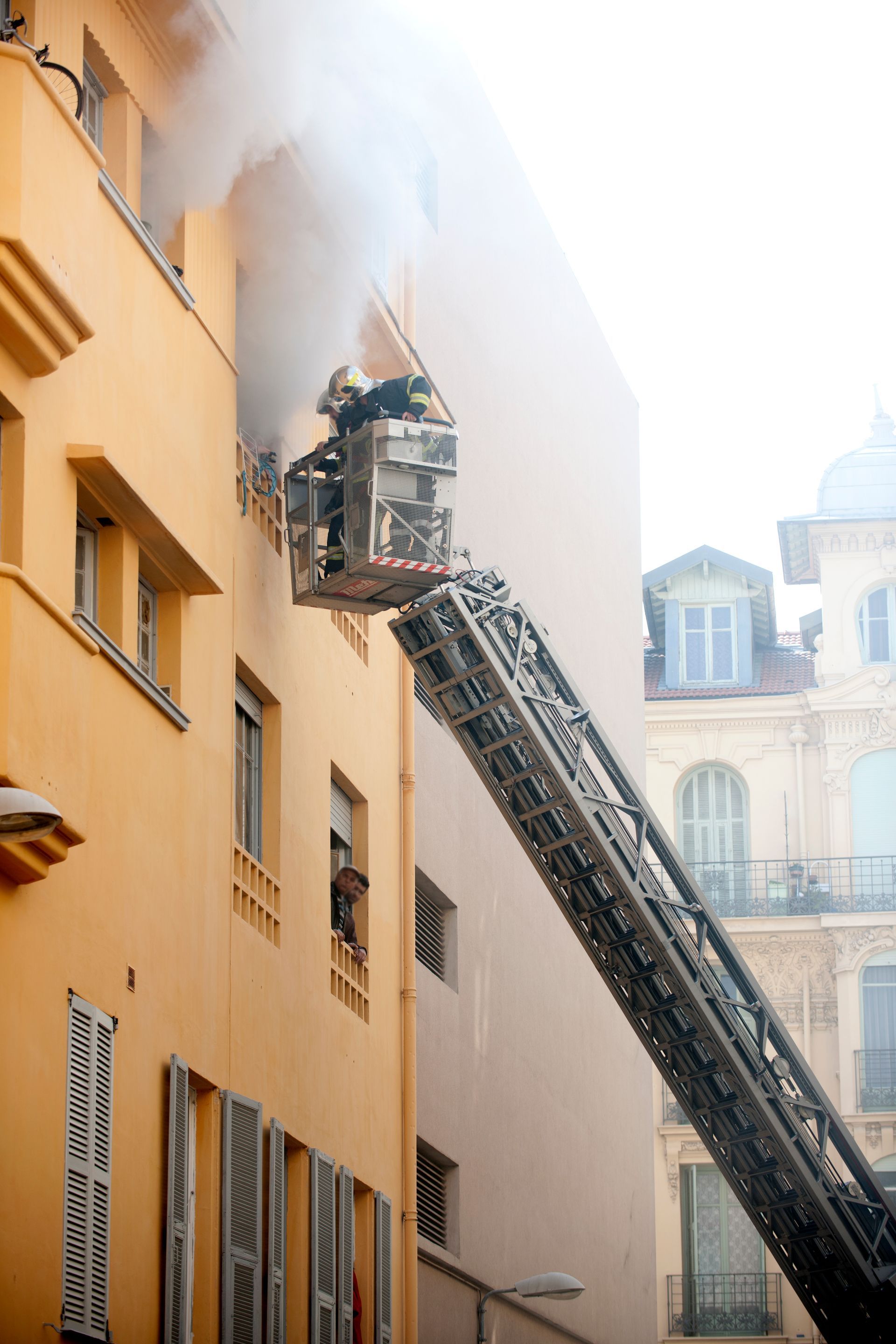
2. Containment
To prevent further contamination, restoration teams will seal off affected areas during cleanup.
3. Removal
This phase includes removing charred materials and deep cleaning surfaces affected by soot and odors.
restoration
4. Cleaning and Sanitizing
Specialized equipment is used for cleaning surfaces, fabrics, and air systems to eliminate smoke residues effectively.
5. Reconstruction
After cleaning, any damaged structural elements will need repairs or replacement before moving back in.
Challenges Faced by Fire Restoration Contractors
Fire restoration contractors in Denver face several challenges:
- Weather Conditions: The dry air can sometimes complicate drying processes. Building Regulations: Compliance with local building codes can slow down restoration. Insurance Complications: Navigating insurance claims adds another layer of complexity. Health Concerns: Protecting residents from potential health hazards associated with smoke residue requires careful planning.
Tools Used in Fire Restoration
1. Air Scrubbers
These devices help remove airborne particles from the environment.
2. Dehumidifiers
Essential for controlling moisture levels post-fire to prevent mold growth.
3. Thermal Foggers
Used to neutralize odors by dispersing deodorizing agents throughout affected spaces.
Preventative Measures Against Smoke Damage
While it's impossible to predict when a fire might occur, there are steps you can take to minimize potential smoke damage:
- Install smoke detectors. Have an emergency plan. Consider fire-resistant materials during renovations.
FAQs about Fire Restoration
1. What should I do immediately after a fire?
First and foremost, ensure everyone’s safety! Avoid entering the property until authorities have cleared it as safe.
2. How long does fire restoration take?
It depends on the extent of the damage; minor cases may take days while severe cases could take weeks or even months to fully restore.
3. Can I clean up myself?
While DIY efforts are tempting, professional cleaning offers better results as they have specialized equipment for tackling tough soot and odor issues effectively.
4. Does homeowners insurance cover fire restoration?
Most policies do cover this type of loss; however, reviewing your specific coverage details with your agent is essential for clarity.
5. Can I live in my home during restoration?
This largely depends on the severity of damage; consult your contractor for advice tailored to your situation.
6. How do I choose a reliable fire restoration contractor?
Look for licensed professionals with positive reviews and experience specifically dealing with smoke damage cleanup in your area like Fire Restoration Denver experts!
Concluding Thoughts
Navigating through the aftermath of a fire can feel overwhelming—especially when considering smoke damage's complexities! However, understanding these challenges makes it easier to prepare yourself should tragedy strike unexpectedly—because you know exactly what steps need taking next! Always reach out for professional assistance when dealing with such serious matters; trust me—it’s worth every penny spent!
By diving deep into this topic—Understanding Smoke Damage: Challenges in Fire Restoration in Denver—we hope we've equipped you with valuable insights that empower you or someone you know facing these unfortunate circumstances! Remember: prevention is always better than cure; so stay vigilant!